
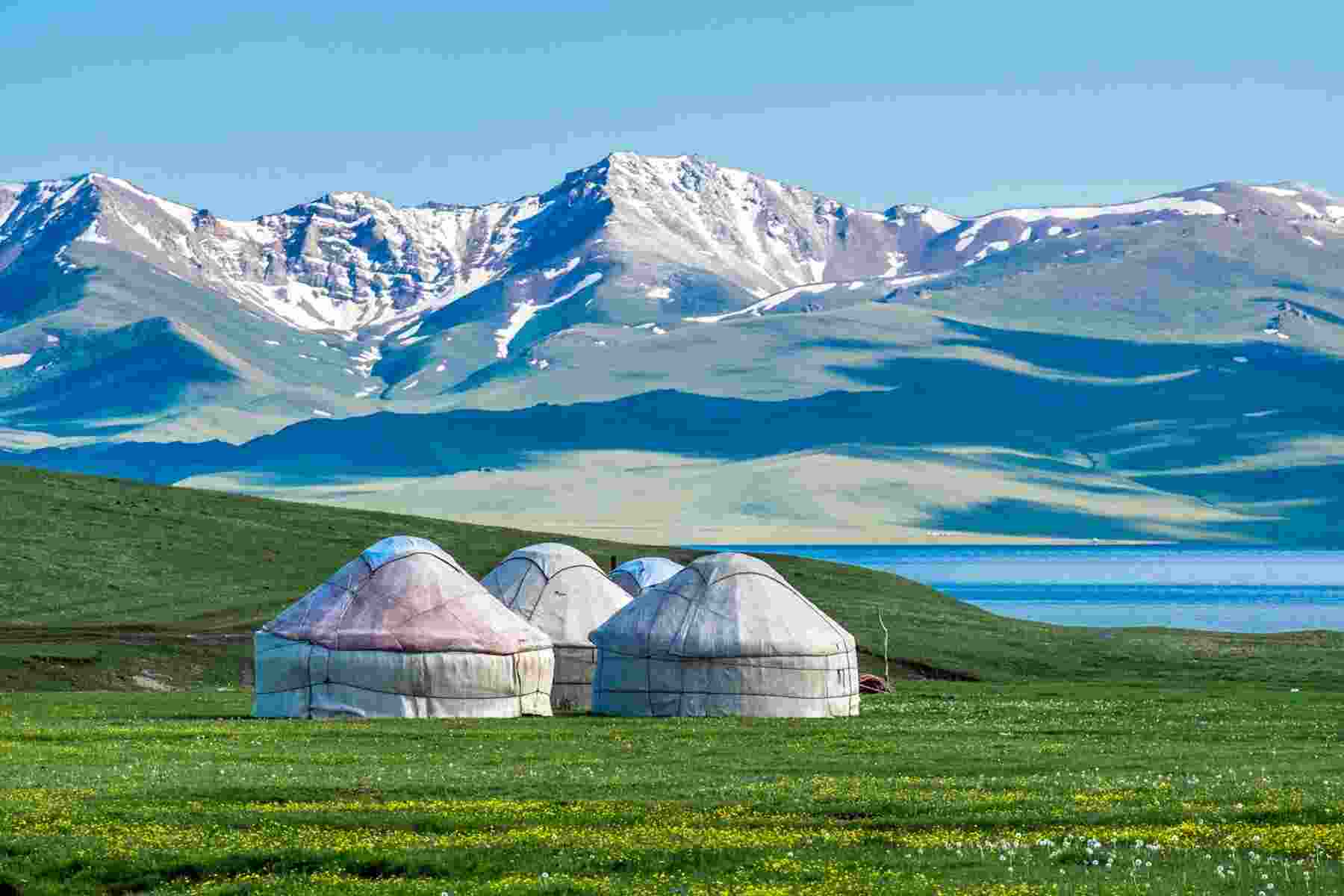
Say “Kyrgyzstan” to most people and you’ll get a confused look back. Fair enough, not many know where it is. It’s stuck right in the middle of Central Asia, boxed in by China, Kazakhstan, Uzbekistan and Tajikistan, and the whole place is basically mountains — something like 90% of it sits above 1,500 meters. There’s no beach resorts fighting for your attention, no malls, nothing like that. What you get instead is yurts scattered across grassy hills, villages where horses still outnumber cars, and a kind of quiet up in the mountains that’s honestly hard to put into words.
If you’re sick of visiting the same places everyone else already posted about, this one’s going to feel like you found it yourself.
Explore Bishkek The Capital City
Most trips start in Bishkek, and no, it won’t wow you in the first hour. Give it a day though. The Soviets left behind wide roads and a lot of trees, and the grid layout actually makes it one of the easier capitals to just walk around without a map.
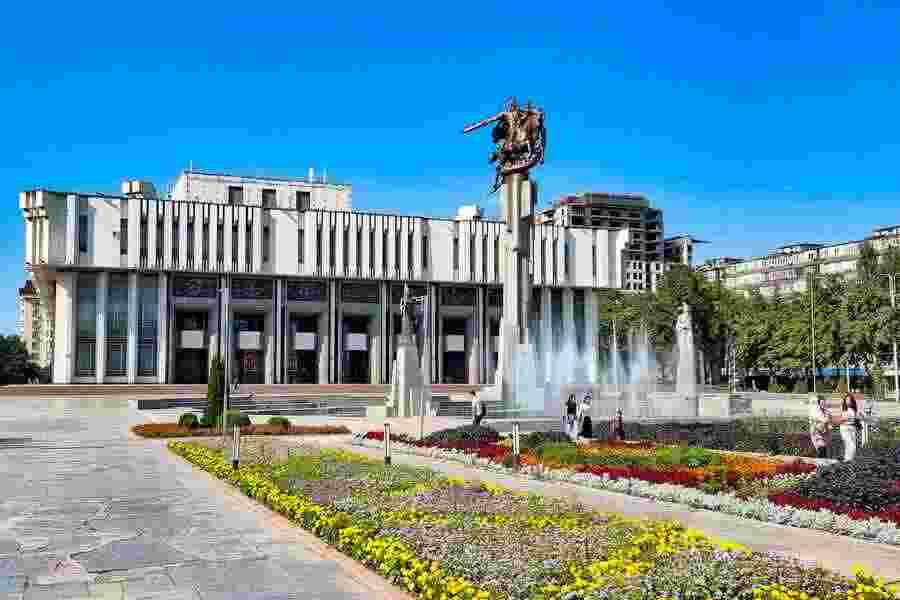
The top Ala-Too Square is where everyone ends up first — main square of the city, locals just hang around there in the evenings for no particular reason. From there it’s a short walk to the Kyrgyz National History Museum, which goes through the nomadic history, the Soviet years, then independence back in 1991.
Then there’s Osh Bazaar, which is a lot. Loud, crowded, not really built for tourists — dried fruit, spices, those felt hats called kalpaks everywhere you look. Somebody will try to hand you kumis at some point. It’s fermented mare’s milk. Worth trying once, at least.
Panfilov Park and Oak Park are decent for a slower afternoon, old rusty rides left over from another era. Victory Square is good in the evening too, there’s an eternal flame for WWII soldiers there. Bishkek isn’t the kind of city that grabs you right away. Most people end up spending a day or two there before heading out toward the mountains anyway, and that’s really the smart move.
Discover Lake Issyk Kul And Beaches
Now this is where it gets good. Issyk-Kul is one of the biggest alpine lakes on the planet, sitting above 1,600 meters, and somehow it never fully freezes even in winter. That’s actually where the name comes from — it means “warm lake.” Wrap the Tian Shan mountains around it and you get this turquoise water against snowy peaks thing that photos just don’t do justice to, no matter how hard you try.
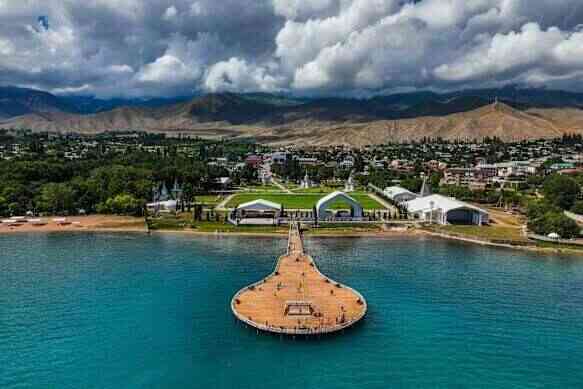
The lake runs close to 180 kilometers, and the two shores don’t feel anything alike. North side, near Cholpon-Ata and Kara-Oy, is more built up — resorts, sunbeds, jet skis, families from Bishkek showing up all summer. South side is slower. Villages like Bokonbaevo, and a few guesthouses there actually let you sleep in a yurt right by the water.
Near Cholpon-Ata there’s also a field full of old petroglyphs, rock carvings going back thousands of years — animals, hunting scenes, nobody really agrees on what half of it means anymore. A few villages around the lake still do eagle hunting the old way too, passed down through families for generations.
Visit Song Kul Alpine Lake
Song-Kul is on another level of remote. Sitting close to 3,000 meters, there’s nothing permanent up there at all — no hotels, no paved road, just yurt camps that nomadic families put up every summer while their animals graze the pastures.
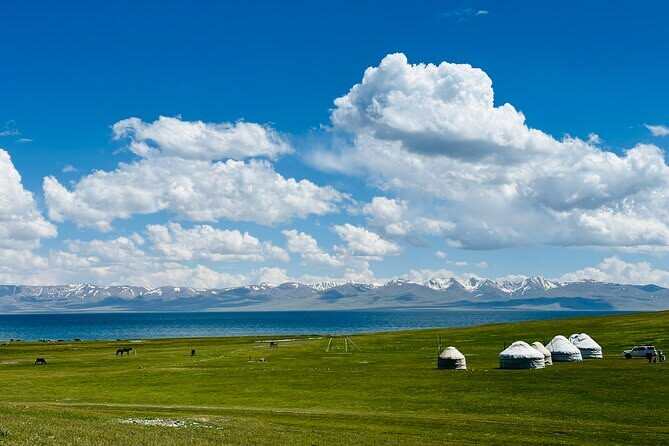
Getting up there isn’t exactly fun. The road is rough, winding, takes forever, and you’ll question your life choices halfway through. But then you get there and it’s just grassland stretching out forever, leading down to water so still it barely looks real. Sheep everywhere, horses everywhere, and every so often a shepherd rides past like he just stepped out of a different century entirely.
Staying overnight in one of these camps is probably as real as travel gets, at least in this part of the world. Fresh bread, homemade jam, maybe some mutton over a fire, whatever the host family decides to cook that night. Gets properly cold once the sun’s gone, even in summer, so pack warm stuff. Horseback riding is basically expected — everyone does it at least once. Fishing too, since the lake has trout. And if the timing lines up, you might catch a game of kok-boru, which is polo on horseback except with a goat carcass instead of a ball. Sounds rough. Is rough.
Experience The Tian Shan Mountains
The Tian Shan mountains are really what hold this whole country together. The range cuts through a huge part of Central Asia, and the highest point, Jengish Chokusu, hits 7,439 meters right up against the Chinese border. Not a climb for beginners, that one.
You don’t need to attempt anything close to that to enjoy these mountains though. Ala Archa National Park is barely an hour from Bishkek, and it’s got granite peaks, glacial rivers, trails for pretty much any fitness level you’re working with. It’s where locals go to escape the city for a weekend.
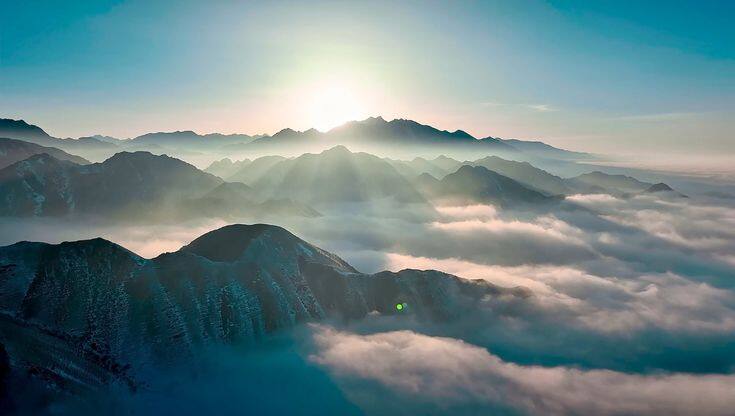
Want something further out? Jyrgalan Valley in the east has slowly become a trekking spot, skiing too once winter hits, and it’s still nowhere near as crowded as other routes. Then there’s the Ala-Kul Lake trek — a glacial lake sitting around 3,500 meters, reached after a rough multi-day hike out of Karakol Valley views. That last climb up is brutal, not going to lie, but the water’s this deep blue against dark rock and snow that makes you forget your legs hurt, at least for a minute.
Discover The History Of Osh City
Osh has been around for something like 3,000 years, one of the oldest continuously lived-in places in Central Asia. Long before Bishkek was even a thing, Osh was already sitting on the Silk Road.
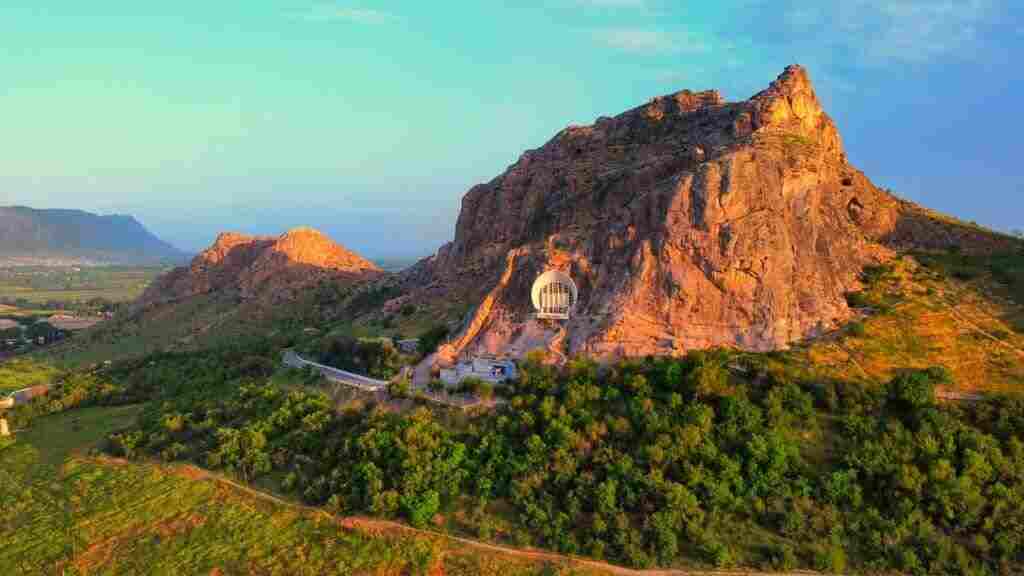
Sulaiman-Too rises right out of the middle of the city, a sacred mountain and UNESCO site that’s pulled in pilgrims for centuries — caves, old carvings, small shrines built into the slope itself. Climb up and the whole city’s laid out below you, with the Fergana Valley stretching out further still. Down at the base, the Osh History and Culture Museum is actually built right into the rock, and it covers the Silk Road years pretty well.
Jayma Bazaar is worth the walk too, one of the oldest markets in the region, still mostly used by locals rather than set up for visitors. Livestock, fabric, produce, all of it. Osh also works well as a base if you’re planning to push further into the Pamir Alay mountains or the Fergana Valley from there.
Start Your Kyrgyzstan Adventure Today
Kyrgyzstan doesn’t make it easy to fall for right away. It asks you to be a little patient, maybe sleep in a yurt, and appreciate scenery that nobody’s bothered dressing up for a camera. But if you actually want something different from the usual trip, this is one of the few places left that still gives you that.
If you’re ready to book this trip for real destinations, reach out to Aurora Tours — they’ll handle the routes, the stays, the guides, and all you’ve got to do is show up and take it in.